Pimlico Cleaners in Pimlico

Pimlico Cleaners provides cleaning services in Pimlico with a focus on homes, managed properties and workplaces that need careful, practical upkeep. Our main service is built around regular cleaning and one-off visits that keep interiors presentable, hygienic and easier to live or work in. If you are comparing options for a flat, townhouse, office or rental property, the service is shaped to cover routine tasks clearly, without making the process more complicated than it needs to be.
The work can include dusting, vacuuming, wiping surfaces, kitchen and bathroom attention, floor care and general tidying of lived-in spaces. For many customers, the value lies in consistency: rooms are handled in a sensible order, and key touchpoints are not overlooked. We can also support more focused cleaning needs where certain areas need extra care, such as after periods of vacancy, before guests arrive or when a property needs a more thorough reset.
If you want to compare service options first, take a look at our pricing and quotes information and then decide what level of help is appropriate. You can also make an initial enquiry in plain language: tell us what needs doing, when the clean is needed and whether any rooms need special attention.
Routine cleaning for homes and shared spaces
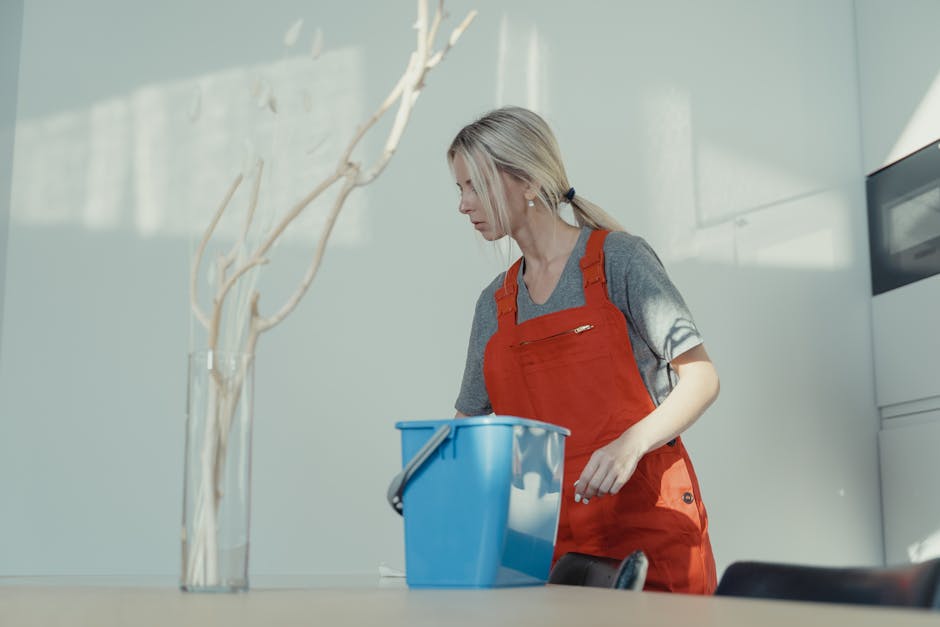
Regular domestic cleaning is often the most straightforward way to keep a property under control. In a busy home, cleaning can drift from day to day because people are moving between work, school, visitors and travel, so a structured visit can make a noticeable difference to the day-to-day feel of the space. We handle ordinary housekeeping tasks in a way that aims to be practical rather than over-complicated, with a focus on the areas people use most often. That can suit larger households as well as compact flats where efficient use of time matters.
For landlords, tenants and managing agents, a reliable clean also helps present rooms more neatly between occupations or after long stretches of use. Living rooms, bedrooms, hallways and entrance areas often need different treatment from kitchens and bathrooms, so it helps to separate the work into sensible sections. Clear priorities matter here: if certain rooms are more important than others, the visit can be arranged around those needs instead of treating every space identically.
When you are ready to move forward, it helps to note which rooms are to be cleaned, any access points that need arranging and whether there are fragile finishes or items that should be left alone. A short list of priorities is usually enough to begin. If you are comparing services for an occupied property, our domestic cleaning page gives a clearer view of the kind of home-focused work available.
Cleaning options for deeper refreshes

Sometimes a property needs more than a standard visit. A deeper clean is useful when dust has built up, when rooms have been unused, or when you want attention given to corners and contact points that ordinary maintenance may not fully cover. Deep cleaning is not a promise of a transformed property; it is a more detailed service that allows extra time for built-up grime, limescale, neglected edges and similar areas that can make a room feel tired. The aim is to restore a cleaner baseline so regular upkeep becomes easier again.
This kind of work often suits kitchens, bathrooms, entrance halls and busy living areas because those are the places where marks and residue collect most visibly. It may involve more thorough attention to fittings, tiles, skirting, shelves and hard-to-reach spaces, depending on the condition of the room and the agreed scope. Different surfaces need different methods, and a careful clean should recognise that distinction rather than approaching every material in the same way.
If your requirement is for a more intensive visit rather than a routine tidy, the deep cleaning page is a useful place to compare the style of work. You can also outline any specific areas that need extra attention, such as a kitchen that has not been used for some time or a bathroom that needs detailed work around fittings and tiles.
What a detailed clean may include
A detailed clean is generally best when broken into manageable sections. Common tasks can include wiping surfaces, cleaning visible build-up, working around appliances and fixtures, and giving more time to edges, ledges and underused corners. It is useful to be realistic about condition: a room that has seen heavy use over months will take a different approach from one that only needs a seasonal refresh. The right scope avoids confusion and helps everyone understand what the visit is meant to achieve.
End of tenancy and changeover work

End of tenancy cleaning is a specific form of service that focuses on moving properties from one occupant to the next. It usually calls for a more detailed and systematic approach than an ordinary domestic clean, because the rooms must be presented in a condition suitable for inspection or handover. We can support this type of work by cleaning the main living areas, removing general dirt from common surfaces and giving attention to the fixtures and fittings that tend to matter most at the end of a rental period.
The practical difference between a regular clean and a tenancy clean is usually the level of detail. Cupboards, floors, bathrooms, kitchens and internal glass may need closer attention, and the overall aim is often to leave the property more neutral and easier for the next person to assess. It is wise to think about the state of each room before booking, because heavily used kitchens or bathrooms may need more time than bedrooms or storage areas. That sort of planning helps keep expectations clear and avoids last-minute surprises.
For a closer look at this type of service, our end of tenancy cleaning page is the most relevant destination. If you are arranging a move-out clean, a simple message with the property size, the number of rooms and the condition of the main areas is usually enough to start the discussion. Please include any items that remain in place and any features that require careful handling.
Before a tenancy clean
It helps to make access straightforward and to identify anything that should not be touched, especially if appliances, blinds or delicate fittings are involved. A property left with clear surfaces and a basic note of priorities is easier to assess accurately. Where time is tight, it is better to be specific about the most important rooms than to give a vague description of the whole property. That makes it easier to shape the clean to the handover deadline.
Specialist care for carpets, upholstery and soft furnishings
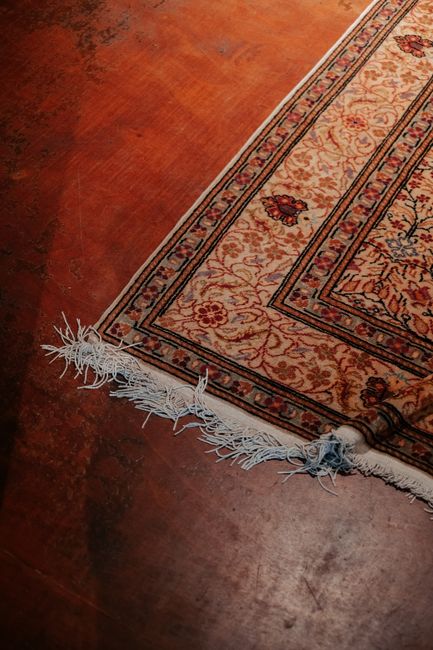
Soft furnishings often need a different approach from hard surfaces. Carpets, rugs, sofas and upholstered chairs collect dust, surface marks and everyday debris in ways that cannot be resolved by a quick wipe. Our cleaning services can support these materials with work that is chosen to suit the item rather than forcing a single process onto every fabric. The aim is to freshen the appearance of the piece, improve its general presentation and avoid unnecessary wear through poor handling.
Because fibres and finishes vary, a sensible soft-furnishing clean begins with the type of material and the visible condition. Some items respond well to focused vacuuming and stain attention, while others need a more cautious treatment to protect pile, weave or stitching. Good practice matters here, especially where household use, pets, footwear or food spills have left visible traces. It is not only about appearance; it is also about using a suitable method for the item in front of us.
Our related service pages for carpet cleaning, upholstery cleaning and rug cleaning describe these options in more detail. If you are requesting a quotation, tell us which pieces need attention, whether there are stains or traffic lanes to consider and whether the items are fitted, loose or delicate. Those details make it easier to judge the most practical method.
Kitchen, oven and hard floor cleaning

Kitchens are among the most demanding rooms to keep clean because they combine food preparation, steam, grease and frequent contact. Hard floor surfaces in particular can show spills and dullness quickly, while ovens and surrounding areas often need more targeted attention than standard housekeeping provides. We can support this type of work by concentrating on the places that attract residue, fingerprints and cooking deposits. A well-planned clean in these rooms makes the space feel more manageable and easier to maintain afterwards.
Hard floors need their own method because tiles, sealed wood, laminate and other finishes do not respond in exactly the same way. Some benefit from careful washing and residue removal, while others need a gentler approach to protect the finish. Oven cleaning is similarly specific: the goal is to address built-up cooking residue in a controlled way, not to damage enamel or seals. The most effective clean is usually the one that respects the surface, the level of soil and the limits of the material.
If you need these rooms treated in isolation, see our oven cleaning and hard floor cleaning pages. A short note on the type of floor, the oven style and any areas that are particularly greasy or worn will help us understand the work before we prepare a quotation. A good enquiry does not need to be long; it simply needs to be clear.
- Kitchen work can focus on visible grease, splash areas and routine hygiene.
- Hard floors may need different products or methods depending on the finish.
- Oven cleaning is best assessed by build-up, design and accessibility.
Office and commercial cleaning support
Workplaces need cleaning that fits around daily activity, footfall and the type of tasks carried out on site. Office cleaning may include desks, shared areas, kitchens, meeting spaces, reception points and washrooms, with the level of detail adjusted to how the premises are used. Our service is aimed at keeping professional spaces orderly and presentable without interrupting the wider rhythm of the building. That can be useful for small offices as well as larger commercial premises with several common areas.
Different workplaces have different priorities. Some need visible presentation for clients; others need reliable upkeep of staff areas, bins, floors and touchpoints. The work can be shaped around that mix, so a cleaner plan is created for the spaces that matter most. A sensible commercial clean pays attention to the way the building is used, rather than assuming every office has the same layout or the same demands. That is one reason it helps to describe the premises clearly when you enquire.
For a more specific view of business premises cleaning, the office cleaning and office cleaners pages are relevant. If your requirement involves regular attendance, let us know the typical room use, access times and any areas that need to be left untouched. If you are comparing different forms of support, a brief description of the workplace is enough to begin.
After-builders and one-off cleaning
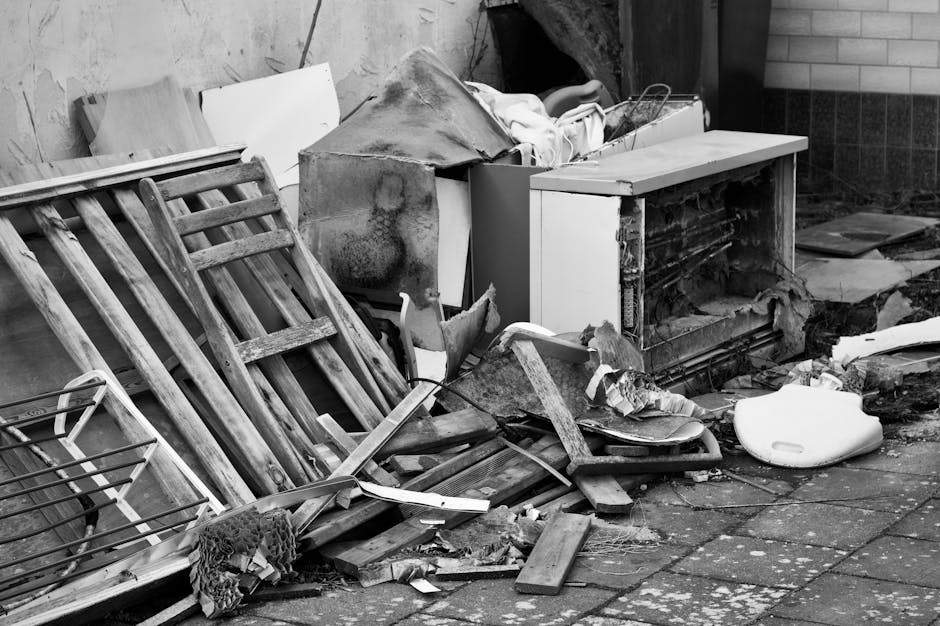
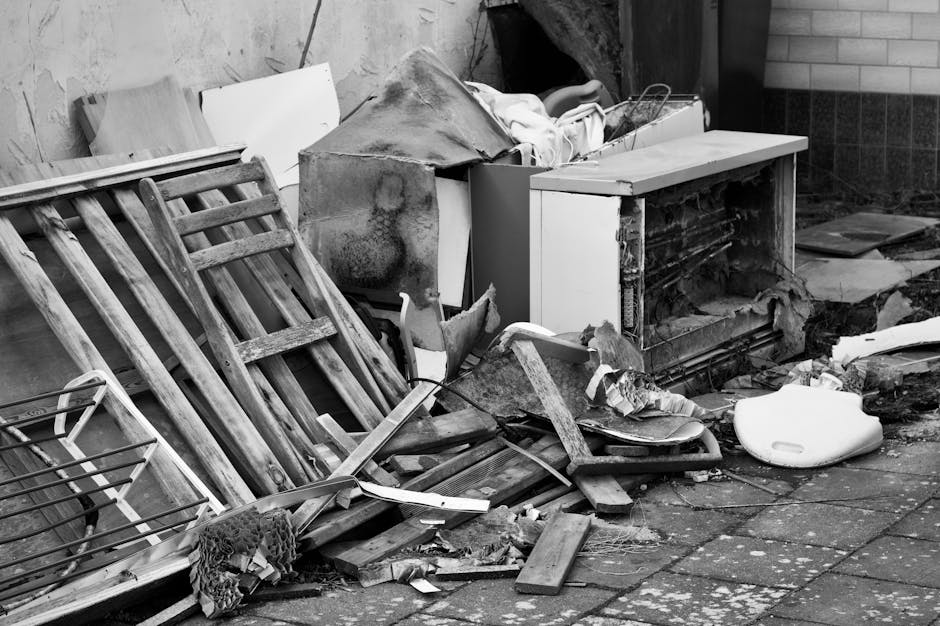
After building or decorating work, a property often needs a thorough clean to remove dust, light debris and the traces left by trades activity. After-builders cleaning is different from normal house cleaning because fine dust can settle into edges, surfaces and fittings that are not usually difficult to maintain. The job typically needs a careful approach across floors, frames, ledges and other exposed areas so the room becomes usable again. It is about clearing the aftermath of work, not simply polishing a finished room.
One-off cleaning is a flexible choice when the property does not need a regular schedule but does need a defined reset. It can suit pre-event preparation, post-visit tidying or a catch-up clean after a period of lower maintenance. In practice, the service may overlap with deeper housekeeping, but the point is the same: the visit is arranged for a specific occasion rather than as a standing arrangement. That makes it useful when the need is temporary but still important.
See the after builders cleaning and one off cleaning pages if either of those descriptions matches your requirement. When you request a quotation, mention whether the space is newly decorated, recently renovated or simply overdue for a deeper visit, and note any fragile finishes or areas with heavier dust. A clear brief helps the clean start on the right footing.
Home cleaning decisions and quotation details

Choosing the right level of home cleaning is usually easier when the property is broken down room by room. Bedrooms, reception areas, kitchens and bathrooms do not all need the same pattern of work, so it helps to decide where the main effort should go. In some homes the priority is routine upkeep; in others it is a more focused task such as removing built-up dust, attending to bathrooms or dealing with a room that has been unused for a while. The cleaner the brief, the more accurately the work can be planned.
To prepare a quotation, it is helpful to share the property type, approximate number of rooms, whether the clean is regular or one-off, and any important access notes. If a particular area matters more than the rest, say so plainly rather than assuming it will be understood. You do not need a long explanation, but a little structure makes the process smoother. If you already know the service you need, you can move from general interest to a more direct enquiry quite quickly.
For an overview of the wider household service range, useful pages include house cleaning, home cleaners and cleaning company. If you are ready to talk through your requirements, please request a quotation today and send the details that matter most. We will use the information provided to consider the most suitable way to help.
About Pimlico
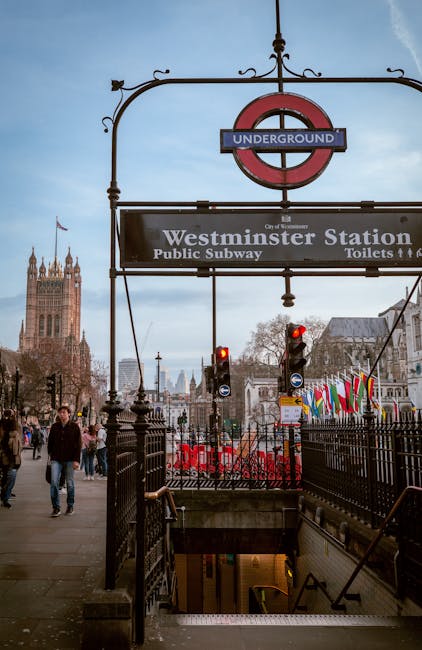
Pimlico is a central London district in the City of Westminster, lying on the north bank of the River Thames and known for its ordered grid of streets, garden squares and classical residential architecture. Much of the area was developed in the early nineteenth century under the direction of Thomas Cubitt, whose planned terraces helped shape the neighbourhood’s distinctive appearance. The streets are recognised for stucco-fronted buildings, consistent elevations and a compact urban layout that gives the district a formal, residential character rather than the busier commercial feel found in many nearby parts of the West End. Its location places it between Victoria to the north and the river to the south, with Belgravia and Westminster close by, yet Pimlico retains a clear identity of its own. The district includes several well-known open spaces and landmarks that add to its character. St George’s Square is one of the most prominent garden squares, while Pimlico Gardens and the riverfront paths offer quieter places to pause close to the Thames. The area is also associated with Tate Britain, which stands just beyond the immediate street pattern but remains strongly connected to Pimlico’s cultural life and riverside setting. Local streets such as Warwick Way and Lupus Street provide a mix of shops, services and everyday movement, while the transport links around Pimlico station and Victoria keep the neighbourhood closely tied to the wider city. The result is a place that combines planned nineteenth-century housing, civic landmarks and a lived-in urban atmosphere that continues to be shaped by its central London position.
Finishing touches and regular upkeep
Once the main clean has been completed, the finishing stage is where a property begins to feel fully settled again. This may include checking the obvious touchpoints, tidying the presentation of rooms and making sure the most visible areas are left in a consistent condition. Small details matter more than people sometimes expect: straightened soft furnishings, clean edges around sinks and well-kept floors can make a room read as cared for, even when the work itself has been practical rather than decorative.
Regular upkeep also helps protect the value of the original clean. When dust, spills and residue are allowed to build up, a future visit often takes longer because the work has to start from a worse baseline. By contrast, a sensible routine makes each session more efficient and prevents small marks from becoming larger issues. That is why many customers choose to combine a one-off visit with a standing arrangement, or to revisit a property after a period of heavy use.
If you are weighing up the best way to keep a property in order, the pages for cleaners, cleaner and about us provide related background. When you are ready, a plain request is enough: tell us what needs cleaning, how often you want it done and which spaces should be prioritised. The next step is simply to ask for a quotation.
Other services and practical choices
Not every property need is the same, and sometimes a clean is best organised around one specific item or area rather than the whole building. That can be true for windows, sofas, carpets, ovens or a single room that has become harder to maintain than the rest. When the scope is narrow, the most helpful approach is to choose the service that matches the problem rather than booking a broader visit without a clear purpose. This keeps the work focused and avoids unnecessary extras.
If you are still deciding between service types, it may help to compare the related pages for window cleaning, sofa cleaning and carpet cleaner. Each of these areas can be relevant when a room is otherwise in good order but one feature needs extra attention. A quotation is easier to shape when you identify the item, the condition and any access issues in advance. That way the response can be based on the actual task, not on guesswork.
Tell us what you need cleaned, choose the service that fits the task and send a clear note about the property or item. Whether the job is routine, detailed or tied to a move, we can help you move from a brief description to a sensible plan. Contact us for a quotation when you are ready.