Health and Safety Policy for Pimlico Cleaners
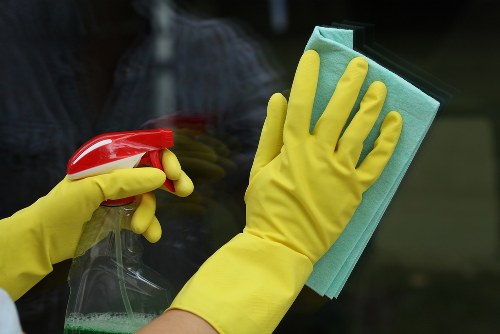 Pimlico Cleaners is committed to maintaining a safe, healthy, and responsible working environment for employees, contractors, clients, and anyone affected by our operations. This health and safety policy sets out the standards we follow to reduce risk, prevent accidents, and ensure cleaning services are delivered in a careful and controlled way. We recognise that professional cleaning involves the use of equipment, chemicals, manual handling, and working in occupied spaces, so safety must remain central to every task.
Our approach is based on prevention, awareness, and continuous improvement. We will assess hazards, implement sensible controls, and provide clear instructions so that work is completed safely. Every member of the team has a role to play in supporting safe working practices, reporting concerns promptly, and following agreed procedures. Health and safety is not treated as a separate concern; it is part of how we plan, manage, and perform all cleaning duties.
 We aim to provide a workplace culture where risks are identified early and managed effectively. This includes using suitable cleaning products, maintaining equipment in good condition, and ensuring staff understand safe methods of work. Whether completing routine maintenance, deep cleaning, or specialist tasks, our priority is to protect people, property, and the environment through responsible action.
Our Commitment to Safe Working
Pimlico Cleaners will take all reasonably practicable steps to ensure health and safety standards are upheld throughout our operations. This means considering the safety of cleaners, supervisors, and others who may be present in the areas where work takes place. We will provide appropriate information, instruction, and supervision so that duties can be carried out safely and efficiently.
We will also review our practices regularly to make sure they remain effective. When work methods change, new equipment is introduced, or risks are identified, controls will be updated accordingly. Our policy supports a proactive approach: report, review, improve. By doing so, we reduce the likelihood of injuries, ill health, or avoidable disruption.
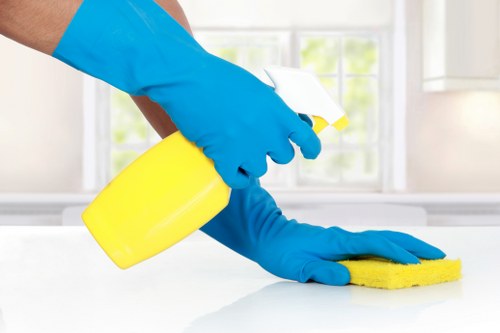 In practice, this means planning jobs before they begin, checking access and work conditions, and ensuring the right equipment is available. It also means respecting the safety of others by placing warning signs where needed, keeping walkways clear, and working in a way that avoids unnecessary disturbance or hazard.
Key Health and Safety Responsibilities
Management Responsibilities
Management is responsible for implementing this policy, providing resources, and ensuring that safe systems of work are followed. Supervisors and team leads must carry out appropriate oversight, respond to concerns, and support staff with practical guidance. They must also ensure that risk assessments are suitable for the tasks being performed and that control measures are applied consistently.
Employee Responsibilities
Employees are expected to take reasonable care of their own health and safety and that of others who may be affected by their actions. This includes using equipment correctly, wearing any required protective items, following safety instructions, and reporting defects, accidents, near misses, or unsafe conditions without delay. Safe behaviour is a shared responsibility and forms a core part of professional service delivery.
All staff should remain alert to changing conditions during work, such as wet floors, unstable surfaces, poor lighting, or cluttered spaces. Where a task cannot be completed safely, it must be paused and escalated. We encourage a culture where concerns are raised early and handled constructively.
Safe Methods and Risk Control
Cleaning activities may involve slips, trips, manual handling, exposure to cleaning agents, and the use of electrical or mechanical equipment. To manage these risks, we use suitable controls such as clear work planning, correct product dilution, safe storage of materials, and routine maintenance of tools and machines. Staff are reminded to work steadily, avoid rushing, and use approved methods for lifting, carrying, and moving items.
Personal protective equipment will be supplied where necessary and must be used in line with task requirements. Gloves, eye protection, and other protective items may be needed depending on the work being completed. Good hygiene practices are also essential, including handwashing, avoiding cross-contamination, and following product-specific instructions carefully.
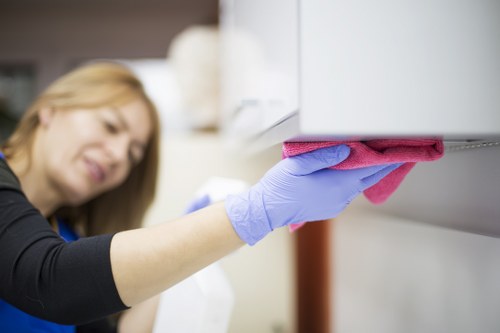 We expect all cleaning operations to be completed with attention to both quality and safety. This includes securing work areas, managing spillages promptly, and keeping emergency routes unobstructed. Where specialist products or tools are required, only trained personnel should use them. Our aim is to create a working system that is practical, reliable, and safe in day-to-day use.
Training, Monitoring, and Review
Training is a key part of this policy. Staff will receive appropriate induction and ongoing refresher support so they understand safe working practices, hazard awareness, and the correct use of equipment and materials. Additional instruction will be provided when new procedures or risks are introduced. Training should be clear, relevant, and suitable for the work being undertaken.
We will monitor compliance through supervision, inspections, and regular review of incidents and near misses. Where improvements are needed, corrective action will be taken promptly. This may include updating procedures, replacing worn equipment, revising risk controls, or providing extra training. Monitoring is not about blame; it is about making work safer and more effective.
Health and safety records, where maintained, will be kept accurately and used to identify patterns or recurring issues. This supports ongoing improvement and helps ensure that our policy remains practical and current. We are committed to learning from experience and adapting our systems to meet changing operational needs.
Emergency Preparedness and Incident Response
 In the event of an accident, spill, injury, or other incident, staff must act quickly and calmly in line with the relevant procedure. Immediate hazards should be made safe where possible, assistance should be sought if required, and the matter must be reported without delay. Any incident will be reviewed so that suitable action can be taken to prevent recurrence.
Emergency arrangements should be understood by all relevant personnel before work starts. This includes knowing how to respond to fire alarms, accidents, chemical exposure, or other urgent situations. If a task presents an unexpected danger, work should stop until it can be completed safely. Protecting people always takes priority over speed or convenience.
This health and safety policy for Pimlico Cleaners reflects our commitment to responsible working standards, risk reduction, and professional conduct. By following these principles, we support safer workplaces, better outcomes, and a reliable service built on care, discipline, and accountability.