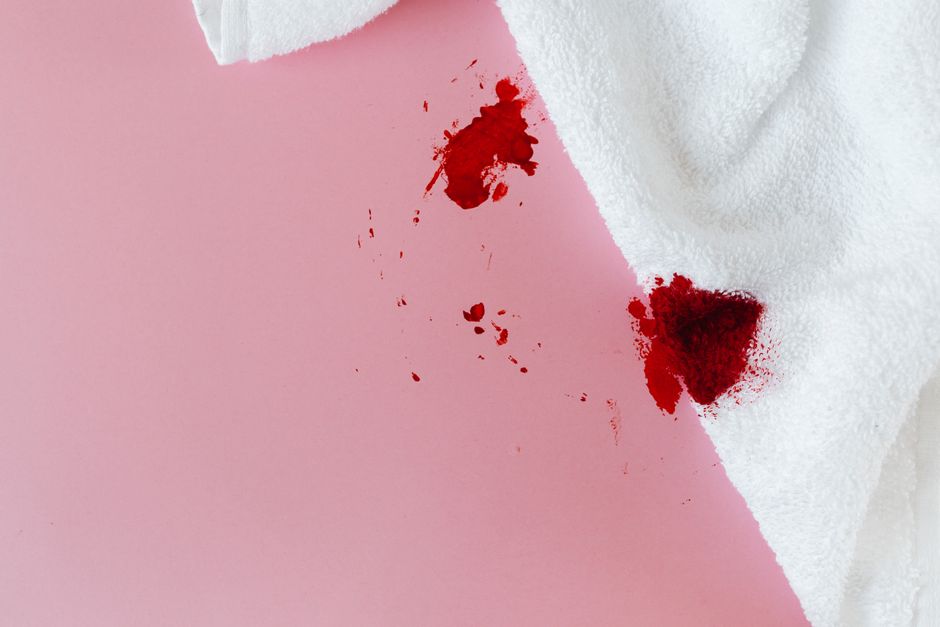
Stain emergencies in Pimlico flats: quick cleanup actions
Spilled red wine on a pale carpet. Coffee across the sofa. Tomato sauce on a kitchen floor that was spotless ten minutes ago. If you live in a Pimlico flat, these moments can feel oddly dramatic, because space is tight, fabrics are close together, and one small spill can travel fast. The good news? With the right stain emergencies in Pimlico flats: quick cleanup actions, you can usually limit the damage before it sets in, spreads, or turns into a proper headache.
This guide is built for real life. Not for perfect people with endless time. For the rest of us, who notice the stain only after the silence, the gasp, and maybe a slightly unfortunate swear word. You'll find what to do first, what not to do, and when it makes sense to bring in help from a trusted one-off cleaning visit or a more targeted service such as carpet cleaning.
Table of Contents
- Why Stain emergencies in Pimlico flats: quick cleanup actions Matters
- How Stain emergencies in Pimlico flats: quick cleanup actions Works
- Key Benefits and Practical Advantages
- Who This Is For and When It Makes Sense
- Step-by-Step Guidance
- Expert Tips for Better Results
- Common Mistakes to Avoid
- Tools, Resources and Recommendations
- Law, Compliance, Standards, or Best Practice
- Options, Methods, or Comparison Table
- Case Study or Real-World Example
- Practical Checklist
- Conclusion
- Frequently Asked Questions
Why Stain emergencies in Pimlico flats: quick cleanup actions Matters
In a flat, stains rarely stay where they start. A few drops on a rug can wick into the underlay. A splash on upholstery can soak deeper than you expect. On hard flooring, liquid may creep into grout lines, seams, or the edges of engineered boards. That matters because the first few minutes usually decide whether a spill becomes a mild nuisance or a lasting mark.
Pimlico homes often have a mix of materials: wool carpets, laminate, hardwood, tiled kitchens, painted walls, cushions, curtains, and compact hallways that take a lot of traffic. One mistake can affect more than the visible stain. You may also end up with lingering odour, tide marks, texture changes, or dye transfer. Truth be told, that's where many DIY cleanups go sideways.
There's another reason speed matters: shared living. In a small flat, a wet patch blocks a passageway, a smelly spill is noticed immediately, and a partially cleaned stain can look worse than the original mark. You want to act fast, yes, but you also want to act calmly. Fast and calm. Not frantic and wet everywhere.
If the spill involves a delicate surface or you're already dealing with a broader post-party mess, a deeper reset may be more effective. In those cases, a deep cleaning visit can be a sensible next step, especially when the stain is only one part of a bigger cleanup.
Expert summary: the best stain response is usually not the strongest cleaner you can find. It is the quickest safe action, the least aggressive method, and the patience to stop before overworking the fabric.
How Stain emergencies in Pimlico flats: quick cleanup actions Works
Most stain removal follows the same basic logic, even if the material changes. First, remove excess residue without rubbing it in. Next, absorb what is still wet. Then use a suitable cleaning solution, applied in small amounts. Finally, rinse or blot away residue so the stain does not reappear as the surface dries.
That sounds simple, and in principle it is. In practice, different stains behave differently. Protein-based spills such as milk or blood need cool water and gentle handling. Oily stains cling to fibres and usually need a little degreasing action. Tannins from tea, coffee, and wine can set quickly and may spread if over-wet. Paint, ink, and bleach are a different story again. Sometimes the best move is not to "clean" at all but to contain and preserve the area until a specialist can assess it.
For Pimlico flats, the working rule is this: protect the material first, remove the spill second, and only then test a cleaner. If you rush straight in with a spray bottle and the nearest cloth, you can create a larger halo than the original stain. Annoying? Absolutely. Common? Very.
It also helps to think about the surface beneath the stain. A sofa cushion behaves differently from a fixed armchair. A wool rug reacts differently from a synthetic hallway runner. A tiled kitchen floor needs a different approach from a wooden floor. For floor-related emergencies, you may find it useful to understand the finishes and care needs covered by hard floor cleaning.
Key Benefits and Practical Advantages
Quick cleanup actions are not just about appearances. They protect the fabric, the floor, the smell of the room, and often your deposit or repair costs too. A decent response can save a surprising amount of stress later on.
- Less permanent damage: acting early reduces the chance of staining becoming embedded.
- Lower odour risk: organic spills can smell if they are left to dry in carpets or upholstery.
- Better colour retention: the fewer harsh scrubs and chemical experiments, the better the original finish tends to hold up.
- Less spread: quick containment can stop liquid from moving under furniture or into grout.
- Cleaner-looking results: you avoid the dreaded "spot around the spot" look caused by over-wetting.
- Faster recovery: the room becomes usable again sooner, which is a big deal in compact flats.
There's a practical side too. If you're renting, a visible stain can complicate check-out conversations. If you own the flat, it can affect how the place feels day to day. Little marks add up. That is especially true in smaller homes where your eye keeps landing on the same corner of the sofa or the same patch of hallway carpet.
And, yes, some stains are just stubborn. That's life. The aim is not to win every battle with one cloth and a cup of optimism. The aim is to reduce the damage quickly and avoid making things worse.
Who This Is For and When It Makes Sense
This approach is useful for tenants, homeowners, landlords, managing agents, and even short-let hosts who need a calm plan when something spills. It's also helpful for anyone who shares a flat and wants a simple "what do we do now?" routine instead of a minor panic every time someone knocks over a drink.
You will get the most value from quick cleanup actions if the stain is:
- fresh and still damp
- small to medium in size
- on a surface you can safely blot
- not caused by a hazardous substance
- not already heat-set, scrubbed, or over-soaked
If the mark is old, widespread, or clearly changed the texture of the material, it may be better to stop there and consider professional support. That can be a smart move for carpet, upholstery, curtains, mattresses, or soft furnishings that would be expensive to replace. When a whole room needs attention after repeated spills or general neglect, a domestic cleaning appointment may be more useful than trying to patch every problem individually.
Who is this not for? Anyone dealing with unknown chemicals, sharp debris, electrical risks, or body fluids in a way that requires proper containment. In those situations, pause and use safe handling first. Common sense wins.
Step-by-Step Guidance
1. Stop the spill from spreading
Move cups, plates, tools, or anything else that could tip again. If the spill is liquid, place an absorbent cloth or paper towel around it first so it does not travel farther. On a carpet, don't press hard yet. Just contain.
2. Lift solids carefully
If the stain includes food, mud, or another solid residue, scoop it up gently with a spoon, blunt edge, or disposable card. Avoid dragging it across the surface. For sauce, this is the point where a lot of people accidentally create a bigger mess. No judgement. It happens.
3. Blot, do not rub
Blot from the outside of the stain inward. Use clean, dry cloths and keep turning them so you are not putting the stain back down. Rubbing pushes material deeper into fibres and can rough up the pile of carpets or the weave of fabric.
4. Choose the mildest safe treatment
For many everyday stains, a small amount of lukewarm water or a very mild cleaning solution is enough to start. Work gently and test on a hidden patch first if the material is delicate. If the item is wool, silk, velvet, antique, or labelled "dry clean only," be much more cautious.
5. Work in small sections
Apply the solution lightly. Wait a moment. Blot. Repeat if needed. Do not flood the area. In a flat, especially one with underlay or timber flooring, excess moisture is where headaches begin.
6. Rinse or remove residue
Once the stain begins to lift, remove any remaining cleaner with a slightly damp cloth, then blot dry. Residue left behind can attract dirt later, which makes the area look dingy again after it dries.
7. Dry properly
Use air circulation where possible. Open a window a touch if it is safe and sensible, or position a fan to move air across the area. Do not apply heat unless you are sure the material can tolerate it. Heat can set certain stains. That's the annoying part.
8. Inspect after drying
Some stains fade as they dry, others reappear as rings. Check the area once it is fully dry. If a mark remains, repeat gently or call in help before you overwork the surface.
If you're dealing with fabric seats, scatter cushions, or a dining chair that's seen one spill too many, an upholstery cleaning service is often a better long-term fix than repeated home experiments.
Expert Tips for Better Results
First tip: keep a small cleanup kit somewhere accessible. Not buried under old cables or in the back of a kitchen drawer where everything goes to retire. A cloth, white paper towels, a blunt scraper, gloves, and a mild cleaner are usually enough for many emergencies.
Second tip: always use white or colourfast cloths when testing. Brightly dyed towels can bleed onto pale fabric. You'd be surprised how often people clean one mess and create another. A tiny comedy of errors.
Third tip: think about fibre type before you do anything. Natural fibres like wool and cotton can behave differently from synthetics. Delicate weaves can distort if over-scrubbed. Leather and faux leather need a different touch again. For sofas, cushions, and chairs, you may prefer the controlled approach used in sofa cleaning.
Fourth tip: if you are uncertain, test in a hidden corner. Inside a hem, behind a cushion, under a sofa edge, or at the back of a rug. One minute there can save one ruined patch later.
Fifth tip: keep pets and children away from the area until it is dry and residue-free. A wet cleaning patch looks harmless until a small foot lands in it and spreads it everywhere. Ask me how I know. Well, don't actually.
Finally, be patient with dried stains. The first pass may not remove everything, and that's fine. Gentle repeat treatment is often better than one aggressive attempt. Slow enough to be sensible. Quick enough to matter.
Common Mistakes to Avoid
Most bad stain outcomes come from a few predictable missteps. If you avoid these, your odds improve immediately.
- Rubbing hard: this pushes the stain deeper and frays fabric.
- Using too much water: excess moisture spreads staining and can affect padding or floors below.
- Applying random chemicals: mixing cleaners can damage surfaces and create fumes.
- Skipping the test patch: one hidden test can prevent visible damage.
- Using heat too soon: heat can set protein, sugar, or dye-based stains.
- Ignoring the underlying material: a carpet, rug, and upholstery cushion are not the same thing.
- Leaving residue behind: leftover cleaner can attract dirt and make the area look dull again.
A big one in flats is overconfidence after the first few minutes. The stain seems smaller, so you keep going. Then the patch grows, the cloth is soaked, the underlay gets damp, and suddenly the "quick fix" has become an afternoon project. Better to stop early than to chase perfection with the wrong method.
Tools, Resources and Recommendations
You do not need a cupboard full of specialist products. For most stain emergencies in Pimlico flats, a modest kit is enough. The goal is control, not chemistry theatre.
| Tool or item | Best use | Why it helps |
|---|---|---|
| White microfibre cloths | Blotting and lifting spills | Gentle, reusable, and easy to see stain transfer |
| Paper towels | Initial absorption | Good for large wet spills and quick containment |
| Blunt scraper or spoon | Lifting solids | Reduces smearing on carpets and upholstery |
| Small bowl of lukewarm water | Light rinse and dilution | Useful for many everyday stains without over-wetting |
| Mild cleaner suitable for the surface | Targeted treatment | Helps remove residue without harsh abrasion |
| Gloves | Protecting hands | Useful for sensitive skin and messy jobs |
| Fan or open window | Drying | Speeds drying and reduces lingering smell |
If you want a sensible next step after the emergency is contained, look at the type of cleaning the space needs overall. A carpet with a single spill might benefit from carpet cleaning, while a whole flat with general dust and spill marks may need a broader one-off cleaning. For kitchens and other hard surfaces, targeted hard floor cleaning can make more sense than treating each mark in isolation.
In some homes, stain response is bundled into a wider refresh after events, move-ins, or a busy few weeks. That's where house cleaning can be a practical catch-all option. If you're tidying up after renovation dust as well as accidental marks, after builders cleaning may be the right fit.
Law, Compliance, Standards, or Best Practice
For ordinary household stains, there usually isn't a legal issue in the stain itself. The practical concerns are safety, product use, and tenancy responsibilities. In the UK, it is wise to follow the instructions on cleaning products, keep ventilation sensible, and avoid mixing chemicals. That is less a legal lecture and more basic home safety, really.
If you rent, your tenancy agreement may expect reasonable care of carpets, flooring, and furnishings. That doesn't mean every accidental spill is a disaster, but it does mean you should deal with damage promptly and honestly. If the stain affects a fixture or item provided with the property, it's better to communicate early than let the issue sit quietly until check-out day. Quiet damage has a habit of becoming expensive damage.
For cleaning businesses, insured work, clear procedures, and safe handling matter. That's why it is sensible to choose a provider that is transparent about its insurance and safety approach and follows a clear health and safety policy. If you are comparing providers, it can also help to review pricing and quotes carefully so you understand what is included and what is not.
For residents who care about product waste and disposal, it is also reasonable to look at a company's recycling and sustainability approach. Not every spill creates waste, but cleaning habits do add up over time.
Options, Methods, or Comparison Table
There is no single best stain method. The right choice depends on the material, the age of the stain, and how much risk you can tolerate. Here's a simple comparison.
| Method | Best for | Strengths | Watch-outs |
|---|---|---|---|
| Blotting with water | Fresh, mild spills | Low risk, quick, easy | May not shift grease or dye |
| Mild surface cleaner | Most household marks | More effective than water alone | Needs testing, can leave residue if overused |
| Spot treatment | Small stubborn patches | Targets the problem area | Over-application can cause rings |
| Professional fabric or carpet cleaning | Deep or recurring stains | Better equipment and more controlled results | Costs more than DIY, but can save a surface |
| Replacement or restoration | Severe damage | Fresh start, especially if material is ruined | Most expensive option |
For rugs, the decision can be especially tricky. Some rugs are forgiving, others are not. If the item is valuable, handmade, or sentimental, you may want to avoid experimentation and speak to a specialist rug cleaning service before you make matters worse. A rug can look small, but it can carry a lot of regret.
Case Study or Real-World Example
Picture a Friday evening in a Pimlico flat. Someone sets a glass of red wine on the arm of a light sofa instead of the side table. It tips. A dark splash lands on the cushion and a second smaller mark hits the carpet nearby. You notice it within a minute. Lucky, in a grim sort of way.
The best response is simple: lift the cushion if possible, blot the wine with white cloths, and keep the stain contained. No scrubbing. No kitchen spray. No panic. After that, a tiny amount of cool water can help dilute the remaining colour. If the sofa fabric is delicate or the stain has sunk in, stop once you have reduced the wetness and let the area dry.
Later, when the flat has settled, you may see that the sofa still holds a faint shadow and the carpet has a small pale ring from the cleanup. That is the point where many people realise the emergency is technically over, but the job is not fully done. A targeted fabric treatment may now be worthwhile, especially on upholstery that gets daily use. If the same flat also has windows that need a refresh after people crowding near them, window cleaning can help restore the room's overall feel without changing the whole setup.
A similar situation often comes up after takeaways, breakfast-in-bed attempts, or late-night tea accidents. The exact stain changes, but the principle does not: act quickly, stay gentle, and stop before the damage grows.
Practical Checklist
Use this quick checklist when a spill happens. It is meant to be simple enough to follow even if you are distracted.
- Move breakables and stop the spill spreading.
- Lift solids carefully without smearing.
- Blot with a clean white cloth or paper towel.
- Test a small hidden area before using any cleaner.
- Apply the mildest safe solution in small amounts.
- Blot again rather than rubbing.
- Remove residue with a clean damp cloth if appropriate.
- Dry the area with airflow, not heat, unless safe.
- Check for a stain ring once fully dry.
- Escalate to professional cleaning if the mark remains or the material is delicate.
If the stain happened as part of a bigger refresh, or the flat just needs a proper reset after a hectic spell, a trusted cleaning company can help you decide whether a spot clean, a broader service, or a specialist treatment makes the most sense.
Conclusion
Stain emergencies in Pimlico flats are rarely glamorous, but they are manageable. The key is to act early, use the gentlest effective method, and avoid turning a small spill into a larger repair job. In compact London homes, that practical discipline makes a real difference. It protects your furniture, keeps the room pleasant, and saves you from the awful moment when a stain becomes a permanent part of the decor.
And honestly, that is the whole game here: quick, calm, sensible action. Not perfection. Just good enough, fast enough, before the mark settles in.
If you want help with a stubborn spill, a room that needs more than a spot fix, or you simply want a cleaner result without the guesswork, professional support is worth considering. Get a free quote today and see how much you can save.
Take a breath, deal with the spill, and then let the flat feel normal again. Small wins matter.
Frequently Asked Questions
What should I do first after a stain appears in my flat?
Act immediately to stop the stain spreading, then blot up excess liquid with a clean cloth or paper towel. Avoid rubbing, because that pushes the stain deeper into the fibres.
Can I use washing-up liquid on carpet stains?
Sometimes, but only in a very small amount and only if the carpet can tolerate it. Test first in a hidden spot. Too much detergent can leave residue and attract dirt later.
How do I deal with a wine spill on upholstery?
Blot gently straight away, then use a little cool water to dilute the stain if the fabric allows it. If the material is delicate or the stain has settled, stop early and consider upholstery cleaning.
Is hot water good for stain removal?
Not always. Hot water can set some stains, especially protein-based or coloured spills. Lukewarm or cool water is usually safer at the start.
What if the stain has already dried?
Dried stains are harder to shift, but not impossible. Rehydrate carefully, test a mild cleaner, and work slowly. If the item is valuable, it may be better to get help rather than overwork it.
Will a stain always leave a mark?
No. Many fresh stains can be removed fully or reduced to a faint trace if handled well. The longer a stain sits, the lower the chance of a perfect result.
How do I stop a stain from coming back after cleaning?
Remove as much cleaning residue as possible, then dry the area properly. Reappearing marks often come from residue or liquid wicking back up as the surface dries.
Are DIY stain removers safe for all fabrics?
No. Fabrics vary a lot, and some react badly to common cleaners. Always check the care label or test a hidden section first.
When should I book professional cleaning instead of trying more DIY?
If the stain is large, old, on delicate fabric, or getting worse with each attempt, it is usually time to stop and book a professional service. Repeated scrubbing can do more harm than good.
Can stain cleanup help protect my tenancy deposit?
Yes, prompt and careful cleaning can help prevent avoidable damage from becoming a deposit issue. It won't solve every problem, but it can certainly reduce the risk.
What if the spill happened on a hard floor rather than fabric?
Wipe it up quickly, then clean the surface with a suitable method for the floor type. If grout, seams, or timber edges are affected, check for moisture trapped in the joins and dry the area properly.
Is it worth getting a one-off clean after a few small accidents?
Often, yes. A few separate spills can leave a flat looking tired even if each one was dealt with. A broader reset can make the whole place feel better again, especially in a busy household.