Pimlico Council rules for waste and bulky-item disposal
If you live or work in Pimlico, waste can turn from a minor chore into a real headache very quickly. One day it is a broken chair and a few flat-pack boxes; the next it is an old mattress leaning in the hallway, or a pile of renovation offcuts that nobody wants to touch. Understanding Pimlico Council rules for waste and bulky-item disposal helps you avoid missed collections, fly-tipping risks, and those awkward moments when something simply cannot be left outside "for later".
This guide breaks the process down in plain English. You will see what usually counts as bulky waste, how local disposal works in practice, what to check before booking a collection, and how to avoid the common mistakes that cost people time and money. It is written for real life, not perfect life, because let's face it, nobody clears a whole room with military precision on a Tuesday morning.
Along the way, you will also find practical links to useful pages on the Pimlico Cleaners website, including recycling and sustainability guidance, house clearance support, and end of tenancy cleaning if your disposal project is tied to a move-out or property handover.
Table of Contents
- Why Pimlico Council rules for waste and bulky-item disposal Matters
- How Pimlico Council rules for waste and bulky-item disposal Works
- Key Benefits and Practical Advantages
- Who This Is For and When It Makes Sense
- Step-by-Step Guidance
- Expert Tips for Better Results
- Common Mistakes to Avoid
- Tools, Resources and Recommendations
- Law, Compliance, Standards, or Best Practice
- Options, Methods, or Comparison Table
- Case Study or Real-World Example
- Practical Checklist
- Conclusion
- Frequently Asked Questions
Why Pimlico Council rules for waste and bulky-item disposal Matters
Waste rules sound dull until they affect you directly. Then they are suddenly very interesting. In Pimlico, the practical issue is simple: oversized items, mixed rubbish, and garden or renovation waste are handled differently from everyday household bins. If you treat them all the same, you can end up with items left behind, collection delays, or improper disposal.
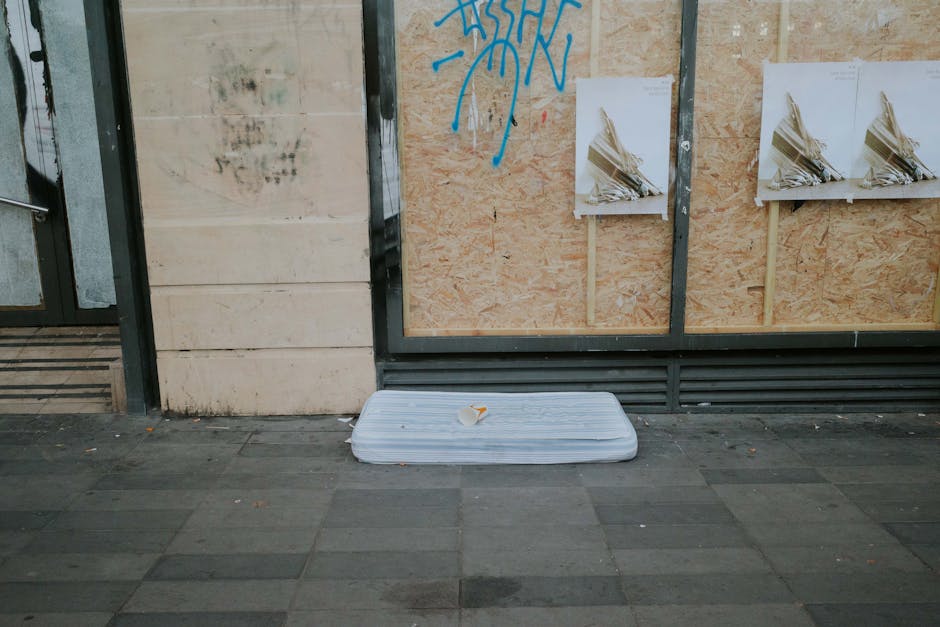
Bulky-item disposal matters for three reasons. First, it protects shared spaces in a dense part of London where pavements, mews, and narrow roads need to stay clear. Second, it reduces the chance of items being fly-tipped or abandoned beside the communal bins. Third, it helps you choose the right route for your situation, which might be a council collection, a private clearance service, or a trip to a reuse or recycling option.
There is also a calmer, more practical side to it. When you know the rules, you can plan a house move, a declutter, or a post-renovation clean without panic. That is especially useful if you are already juggling tradespeople, family, and the general mess that comes with a busy London property. If you are in that stage now, a deep cleaning service or one-off cleaning can make the aftermath far easier to manage.
Expert summary: The best bulky-waste plan is the one that matches the item type, the volume, and the timing. In Pimlico, that usually means checking what can go in ordinary bins, what needs special handling, and what should be removed as a separate collection.
How Pimlico Council rules for waste and bulky-item disposal Works
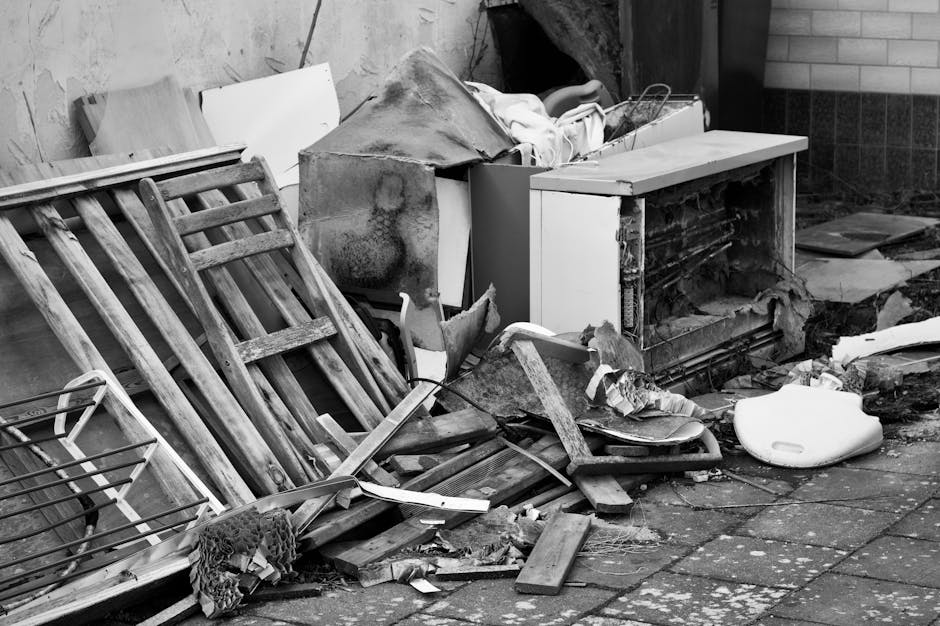
At a high level, the system is straightforward: everyday household waste goes through normal bin arrangements, while larger or unusual items need separate handling. The challenge is the middle ground. That is where people get caught out. A broken wardrobe, a sofa with hidden metal springs, or a pile of builders' debris may look like "just rubbish", but disposal rules often treat them differently.
In practice, you usually need to think in categories:
- General household waste for regular bagged rubbish and food waste where applicable.
- Recycling for clean, separated materials where allowed.
- Bulky items such as furniture, mattresses, and large appliances.
- Special waste for items that need extra care, such as chemicals, batteries, or electrical components.
- Clearance waste from a move, renovation, or end-of-tenancy clean-up.
The most important habit is to sort before you set anything out. If you mix everything together, you make it harder to dispose of properly and more likely that a collection provider will refuse part of the load. A little sorting at the front end saves a lot of mess later. Honestly, it is one of those boring tasks that pays back quickly.
If you are dealing with a property after decoration work, it can help to combine waste planning with after builders cleaning. Dust, packaging, plaster fragments, and adhesive scraps tend to spread everywhere, and once that happens, even the "small" bits feel bigger than they are.
Key Benefits and Practical Advantages
Following local waste rules is not just about avoiding trouble. It actually makes the whole disposal process simpler and more predictable.
- Less stress: You know what can go, what must be separated, and what needs booking.
- Cleaner shared spaces: Hallways, entrances, and bin stores stay safer and tidier.
- Lower risk of refusal: The right preparation means fewer collection surprises.
- Better recycling outcomes: Items are more likely to be reused or processed correctly.
- Smoother move-outs: Especially useful if you are preparing a rental for inspection or handing back keys.
There is also a practical cost angle. If you understand what needs to be removed, you can avoid paying for a service that is too large for the job, or too small and not equipped for it. That is especially relevant for landlords, tenants, and homeowners clearing a property all at once. A properly planned disposal job can sit neatly alongside end of tenancy cleaning or a house cleaning visit, which tends to make the whole handover smoother.
Small detail, big difference: a cleared room looks twice as manageable once the clutter is gone. Strange, but true.
Who This Is For and When It Makes Sense
This topic is relevant to more people than you might think. It is not just for residents with a sofa to throw away. In Pimlico, bulky-item disposal matters to tenants, landlords, letting agents, homeowners, office managers, and anyone handling a one-off clear-out.
You will usually need this guidance if you are:
- moving out of a flat and need to leave it empty and presentable;
- replacing furniture, appliances, or flooring;
- dealing with clutter after a long-term accumulation;
- clearing a home after a refurbishment or decoration project;
- managing a small office reset or equipment refresh;
- trying to dispose of items without blocking a shared entrance or pavement.
It also makes sense if you are a busy household trying to avoid the "we'll sort it later" trap. Later often means never, or at least not until the item has become awkward, dusty, and somehow heavier than you remember. If the job is larger than a bin night can handle, a house clearance approach may be more efficient than several separate trips.
For office settings, the same logic applies. Chairs, filing units, monitors, and shelving all need sensible planning. If the disposal is part of an upgrade or relocation, a coordinated office cleaning or office cleaners visit can keep the workspace usable while the clutter comes out.
Step-by-Step Guidance
If you want a simple way to tackle Pimlico waste and bulky items, use this process. It is not glamorous, but it works.
- Identify every item
Walk through the property and list what needs to go. Be specific. "Old furniture" is too vague. "Three-seat sofa, broken bedside table, and a dismantled wardrobe" is much more useful. - Separate by type
Group general rubbish, recyclable materials, furniture, electrics, and special items. If something contains mixed materials, treat it carefully and do not assume it can all go in one pile. - Check for re-use or donation potential
Some items are still usable even if you no longer want them. A chair with a loose cushion may not be waste at all, depending on its condition. Not everything broken is beyond saving. - Measure larger items
Doorways, lifts, stairwells, and bin-store access matter. In Pimlico, tight access can change how a collection is handled. - Choose the right disposal route
Decide whether the item is suitable for a local collection option, a clearance service, or a specialist handling route. - Prepare the items safely
Remove loose glass, tape shut sharp edges, detach cables, and keep pathways clear. Safety first, even if you are in a hurry. - Book or schedule the collection
Leave enough time for the collection window and make sure the items are accessible. Nothing is more annoying than a missed pickup because one chair was wedged behind another chair. Yes, it happens. - Clean the space after removal
Once the bulk is gone, sweep, vacuum, and check for nails, screws, dust, or stains. A cleared space always reveals hidden grit.
If the disposal is tied to a deep refresh, consider pairing it with domestic cleaning or home cleaners so the room feels properly finished rather than half-done.
Expert Tips for Better Results
Here is where a bit of experience saves you hassle.
- Do the sort before the date, not on the morning of it. The morning of a collection is not the moment to discover three cables, a loose battery, and a mystery box from 2019.
- Keep wet and dry waste apart. Wet waste contaminates recycling and can make a whole load less useful.
- Take photos of large items. This helps if you need to describe them accurately for a clearance quote or collection check.
- Plan around access. Shared entrances, parking limits, and stair-only access all influence how quickly items can be removed.
- Bundle disposal with cleaning. When a property is clutter-free, the rest of the clean is faster and more satisfying. You can actually hear the floor again.
A useful rule of thumb: if an item feels awkward to move, awkward to lift, or awkward to describe, it probably needs more planning than a normal bin emptying. That is especially true for upholstery, heavy tables, and large rugs. For example, a well-worn sofa often needs its own plan, while a textile-heavy item such as a rug may be better handled alongside rug cleaning or sofa cleaning if it is being kept rather than thrown away.
Common Mistakes to Avoid
Most problems with bulky-item disposal come from a handful of avoidable mistakes.
- Leaving items outside too early: This can create an obstruction or attract misuse.
- Mixing recyclables with general waste: Once mixed, the load is less useful and may be harder to process.
- Forgetting about electrical items: Cables, plugs, batteries, and screens often need different handling.
- Assuming all bulky items are the same: A mattress, a fridge, and a dismantled wardrobe are not treated identically.
- Not checking access restrictions: The collection team cannot move an item they cannot safely reach.
- Ignoring cleaning after removal: Dust and residue build up fast under sofas, beds, and cabinets.
There is also a human mistake that comes up constantly: underestimating the scale of the job. One item becomes four. Four becomes a room. A room becomes a weekend. Better to plan for the real volume from the start, even if that feels slightly overcautious.
Tools, Resources and Recommendations
You do not need a warehouse of equipment to handle bulky disposal properly. A small set of practical tools is usually enough.
- Work gloves for handling rough edges and dusty items;
- Strong bin bags for smaller loose waste;
- Packing tape for securing drawers, lids, or loose components;
- Marker pen and labels to identify what stays, what goes, and what needs special handling;
- Measuring tape for checking whether items will fit through doorways and lifts;
- Cleaning cloths and a vacuum for the final sweep after removal.
As for resources, the most useful ones are usually the local rules, your property access details, and a sensible waste sorting routine. If the job is part of a bigger reset, you may also want to look at recycling and sustainability principles so you can keep recyclable or reusable materials separate where possible.
For customers who want a more managed route, a professional cleaning company can help coordinate the clean-up side of the job, especially when disposal is happening alongside deep cleaning, floor work, or post-renovation clearing. In more straightforward domestic situations, a cleaner or regular cleaners visit may be enough once the bulky items are already gone.
Law, Compliance, Standards, or Best Practice
When waste and bulky-item disposal is involved, the main compliance principle is simple: dispose of waste responsibly and do not leave it in a way that creates a hazard, nuisance, or obstruction. In the UK, waste duties and local collection arrangements can be specific, so the safest approach is to follow the instructions that apply to your property and item type rather than guessing.
Best practice usually includes:
- keeping shared paths and entrances clear;
- separating reusable, recyclable, and residual waste where possible;
- handling electrical and sharp items carefully;
- avoiding unsecured dumping on the street or beside communal bins;
- using a disposal method that matches the size and nature of the item.
For landlords, managing agents, and tenants, the compliance issue is often tied to the end of a tenancy. If items are left behind, it can create cleaning delays, storage issues, and friction at handover. It is one reason a joined-up approach works best: clearance first, then end of tenancy cleaning, then a final inspection.
Practical compliance note: If you are unsure whether an item needs special treatment, treat it as special until confirmed otherwise. That cautious approach is usually the least troublesome one.
Options, Methods, or Comparison Table
There is no single "best" disposal method for every situation. The right choice depends on quantity, item type, access, and timing. Here is a useful comparison.
| Method | Best for | Pros | Watch-outs |
|---|---|---|---|
| Standard bin disposal | Small household waste | Quick, simple, familiar | Not suitable for bulky or mixed items |
| Recycling separation | Clean recyclable materials | More responsible, often more efficient | Needs sorting and care |
| Bulky-item collection | Furniture and large household items | Convenient for awkward loads | Usually requires preparation and access planning |
| House clearance | Multiple rooms or full-property clear-outs | Best for large jobs, less hassle | Needs more coordination |
| Integrated clean-up and clearance | Moves, refurbishments, end of tenancy work | Efficient, tidy finish | Works best when booked early |
If your space is cluttered but still liveable, a smaller method may be enough. If the property is full of mixed items, the more managed route is usually calmer and faster. In our experience, people often feel relieved once they stop trying to make every item fit into a single collection idea. It rarely does.
Case Study or Real-World Example
Picture a typical Pimlico flat after a move-out. There is a disassembled bed frame in the bedroom, two old kitchen chairs, a cracked desk, several bags of mixed clutter, and a few dusty lampshades that never quite found a proper home. The hallway is narrow, the lift is small, and the lease end date is close.
Instead of trying to remove everything in one last-minute rush, the occupier sorts the items into three groups: reusable, bulky, and general waste. The reusable pile is set aside for donation or storage. The bulky pile is measured and checked against the route out of the flat. The general waste is bagged properly. Then the cleaner follows once the space is clear, sweeping away the dust and odd screws that always hide in the corners.
The result is not dramatic, but it is effective. The property is left empty, accessible, and presentable. The handover is smoother, and nobody is scrambling around with cardboard at 8pm. That is the kind of boring success that feels brilliant afterwards.
Practical Checklist
Use this checklist before you move any bulky item or waste pile.
- Have I identified every item that needs to go?
- Have I separated general waste, recyclables, and bulky items?
- Have I checked for batteries, cables, glass, or sharp edges?
- Do I know whether any item needs special handling?
- Is access clear through corridors, stairs, lifts, or shared entrances?
- Have I measured the item if it is large or awkward?
- Have I arranged cleaning after removal?
- Have I checked the timing so items do not block shared spaces?
- Do I need a larger clearance option rather than a small collection?
- Have I kept proof or notes of what was removed, just in case?
If you are handling a full refresh, you may want to add hard floor cleaning after removal, especially where furniture legs, grit, and old adhesive marks have left their mark. Floors look honest once the clutter is gone. Sometimes a bit too honest.
Conclusion
Pimlico Council rules for waste and bulky-item disposal are easier to handle when you think in categories rather than in panic. Separate the items, protect access routes, choose the right disposal route, and clean up properly afterwards. That simple structure prevents most headaches.
Whether you are clearing one sofa or an entire flat, the real win is control. You avoid messy guesswork, reduce the chance of rejected items, and make the property easier to live in, hand over, or prepare for the next stage. And once the space is clear, everything feels lighter. Even the air does, a bit.
Get a free quote today and see how much you can save.
If you are planning a larger clean-up in Pimlico, it may also help to read more about the company behind this guidance on the about us page, or check the pricing and quotes information before you book anything. A quick conversation now often saves a lot of back-and-forth later.
Frequently Asked Questions
What counts as bulky waste in Pimlico?
Bulky waste usually means large household items that do not fit in normal bins, such as furniture, mattresses, or large appliances. If an item is awkward to lift or move, it probably counts as bulky in practical terms, even if it looks harmless enough.
Can I leave bulky items next to the bins?
Not unless the relevant collection arrangement specifically allows it. Leaving items beside bins can create an obstruction and may be treated as improper disposal. It is safer to keep items indoors or in a booked collection area until they are ready to go.
Do I need to separate recyclable materials from bulky waste?
Yes, where possible. Separating recyclables, reusable items, and general waste makes disposal cleaner and more efficient. It also improves the chance that materials are handled in the right way instead of being mixed into one confusing pile.
What should I do with broken furniture?
Check whether it can be dismantled safely, then separate any loose screws, glass, or hazardous parts. If it is too large or awkward to manage, a house clearance or bulky-item collection route is usually the better choice.
Are electrical items treated differently?
Often, yes. Electrical items can include cables, batteries, screens, and components that need special handling. Do not assume a plug-in item is just ordinary rubbish. That is one of those details people forget until the last minute.
How do I prepare items for collection?
Make them safe and accessible. Remove loose parts, tape up sharp edges, separate mixed materials where possible, and make sure the collection route is clear. If you can only half-see the item behind another pile, the collection team may struggle too.
Is a house clearance better than several bulky-item removals?
For larger projects, usually yes. If you are clearing multiple rooms, a whole-property approach can be more efficient than arranging several separate pickups. It also helps when you need the space cleaned afterwards.
What if I am moving out and still have clutter left behind?
Then act quickly. Separate anything reusable, remove bulky items, and schedule cleaning after the clearance. If time is short, pairing disposal with end of tenancy cleaning can make the handover much smoother.
Can disposal rules affect my deposit or tenancy handover?
They can, indirectly. Items left behind, blocked access, or poor waste handling can delay the handover and create avoidable issues. A tidy, cleared space is far easier to inspect and sign off.
What is the safest way to handle mixed waste?
Sort it first. Mixed waste is harder to process and more awkward to move safely. If you are unsure what belongs where, divide it into smaller piles and deal with each category in turn. A slow start is often the fastest finish.
When should I book a professional clearance service?
Book one when the volume is too large for normal disposal, the items are heavy or awkward, or the timing is tight. It is also a good idea if access is tricky or if the work is tied to a move, refurb, or rental handover.
Can cleaning be done after bulky items are removed?
Yes, and it usually should be. Once large items are out, the remaining dust, marks, and grit become visible. That is the best time to clean properly, whether you are dealing with a home, a rental, or an office. A final pass can make a big difference.
For questions about access, service details, or a tailored booking, you can also use the website's contact page when you are ready. A short message often gets the ball rolling faster than you expect.