Bulky-waste removal after Pimlico declutters: council rules
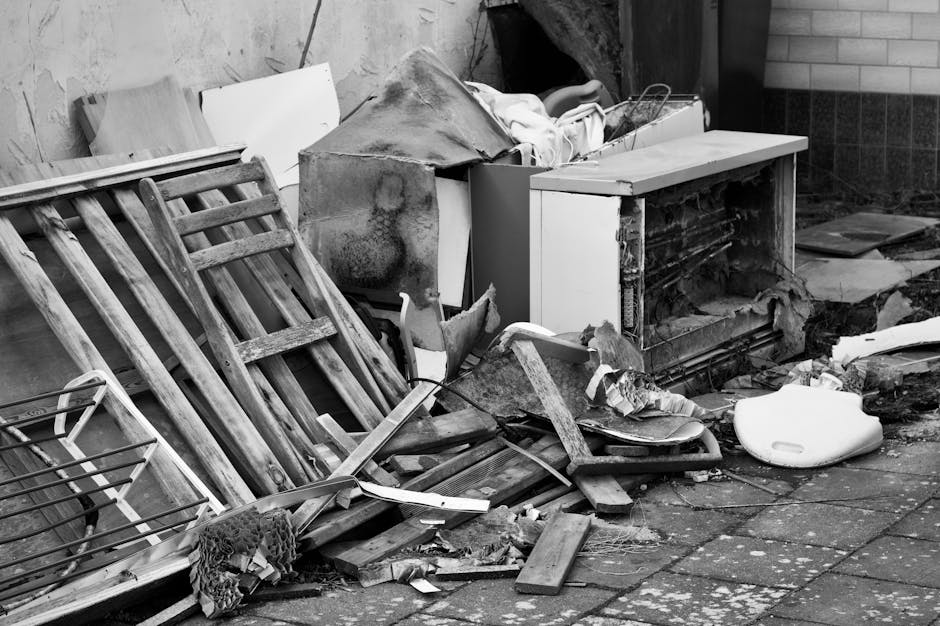
Decluttering a Pimlico flat can feel strangely satisfying. One minute you are staring at a hallway jammed with an old armchair, a broken bedside table, and a TV that has not worked since the last heatwave. The next, the space feels lighter, quieter, easier to live in. But then comes the awkward bit: what happens to all that bulky waste?
That is where council rules matter. Bulky-waste removal after Pimlico declutters is not just about getting rid of large items quickly. It is about using the right route, avoiding fly-tipping risk, keeping communal areas clear, and making sure anything reusable or recyclable is handled properly. In a place like Pimlico, where space is tight and access can be fiddly, a small disposal mistake can turn into a bigger headache than the clutter itself.
This guide walks through the practical side of bulky item disposal after a declutter, the local expectations you should work around, and the smartest way to stay compliant without overcomplicating the job. If you want a cleaner home and a calmer process, you're in the right place.
Table of Contents
- Why council rules matter after a Pimlico declutter
- How bulky-waste removal works in practice
- Key benefits and practical advantages
- Who this is for and when it makes sense
- Step-by-step guidance
- Expert tips for better results
- Common mistakes to avoid
- Tools, resources and recommendations
- Law, compliance, standards and best practice
- Options, methods and comparison table
- Case study or real-world example
- Practical checklist
- Conclusion
- Frequently asked questions
Why Bulky-waste removal after Pimlico declutters: council rules Matters
Bulky waste is the sort of clutter that looks harmless until you try to move it. A mattress, wardrobe, sofa, or broken appliance can block a landing, scratch walls, upset neighbours, or simply sit there waiting for "later" that never arrives. In a Pimlico property, especially one with narrow stairwells, shared entrances, or permit-controlled streets, the disposal stage needs a bit of thought.
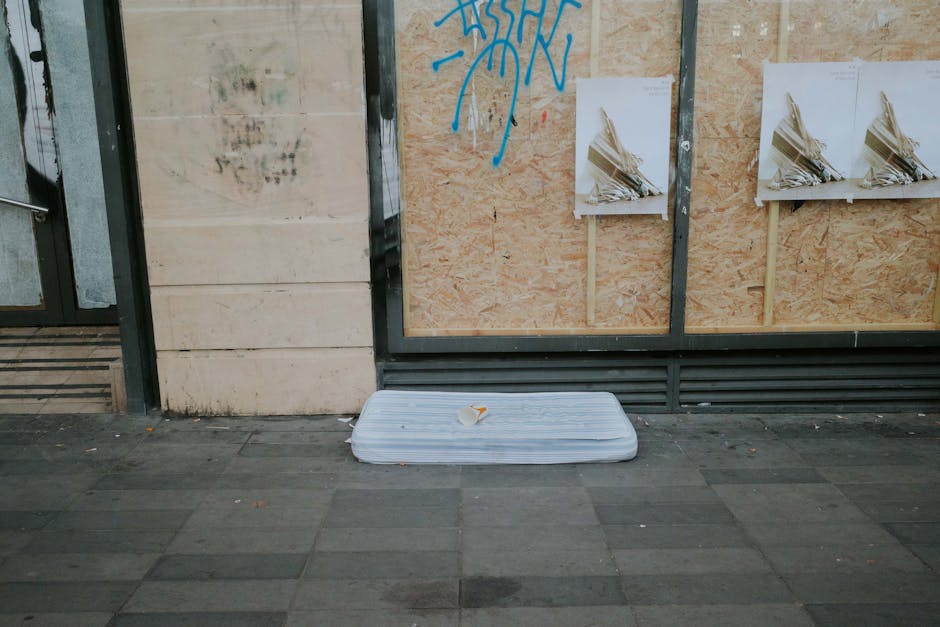
Council rules matter because bulky items are not treated the same as ordinary household rubbish. You cannot just leave them beside the bin and hope for the best. In most parts of London, the expectation is that residents either book an approved bulky collection, take items to a suitable waste facility if allowed and practical, or use a licensed removal service that handles sorting and disposal correctly. Get that wrong and you risk complaints, missed collections, or worse, a fly-tipping issue that lands back on the property owner or occupier.
There is also a quieter reason this topic matters: respect for shared spaces. In Pimlico, where many homes are in converted buildings or managed blocks, one abandoned armchair can quickly become everyone's problem. It is not dramatic, just annoying in that classic London way. And to be fair, nobody enjoys stepping around a dismantled desk on a Tuesday morning.
Handled properly, bulky-waste removal after a declutter is straightforward. Handled carelessly, it can become expensive, messy, and a little embarrassing. The difference is usually planning.
How Bulky-waste removal after Pimlico declutters: council rules Works
The process is simple in principle, though the details vary depending on the item, the building, and the route you choose. The council angle usually comes down to what can be collected, how it must be presented, and whether the items are suitable for reuse, recycling, or disposal.
After a declutter, bulky items tend to fall into a few common groups:
- Furniture such as sofas, beds, wardrobes, tables, and chairs
- Household appliances like fridges, freezers, washing machines, and microwaves
- Large home contents from a clear-out, such as shelving, mirrors, and broken cabinets
- Mixed items from a move, tenancy changeover, or post-renovation tidy-up
The sensible first step is to separate items into what can be reused, what can be recycled, and what is truly waste. That sounds obvious, but in practice people often skip it because they are tired and just want the room back. Fair enough. Still, a five-minute sort can save a lot of effort later.
If you are arranging a council collection, check any item restrictions, booking requirements, access rules, and presentation instructions. Councils commonly expect items to be placed out neatly by an agreed time, not dumped half on the pavement and half in the road. If you use a private clearance service, the responsible operator should understand local access constraints and disposal expectations, including how to avoid blocking doorways, lifts, or shared hallways.
For readers who want a managed, end-to-end approach, it helps to work with a provider that is clear about process, pricing, and handling standards. You can review service information and company details on the about us page, then check pricing and quotes if you want a better sense of how the job may be scoped.
One small but important point: bulky waste is not the same as mixed rubbish. A bag of general waste might be one thing; a sofa, mattress, or old fridge is another. They need different treatment, and that affects both collection and disposal. Simple, but easy to overlook when you are standing in a hallway surrounded by dismantled furniture.
Key Benefits and Practical Advantages
Following the right council-informed approach gives you more than just a cleared room. It makes the whole decluttering process cleaner, safer, and less stressful.
- Less risk of fines or complaints: You are not leaving prohibited items in shared spaces or on the street without the proper arrangement.
- Better safety: Large furniture and appliances are awkward to lift, especially on stairs or in tight hallways.
- Cleaner recycling outcomes: Items with metal, wood, textiles, and electrical components can often be separated more responsibly.
- Faster reset after decluttering: Once the bulky waste is gone, the space can actually function again.
- Less stress for neighbours and building managers: That matters more than people think in residential blocks.
There is also a practical money angle. If a collection is planned correctly, you are less likely to pay twice because of a failed pickup, access issue, or the need for a second visit. In other words, a little structure up front usually beats a rushed decision made at 8 pm with a half-empty tea mug and a room full of dust.
When environmental handling matters to you, a provider with a visible commitment to sorting and reuse is worth considering. The page on recycling and sustainability is a useful place to understand how that side of the process is approached.
Who This Is For and When It Makes Sense
Bulky-waste removal after Pimlico declutters makes sense for a wide range of situations. It is not only for full house clearances or major moves. In fact, many jobs are much smaller than that.
- Homeowners replacing furniture after a room refresh
- Renters clearing items before a tenancy ends
- Landlords and agents dealing with left-behind furniture or damaged items
- Families sorting lofts, spare rooms, and storage cupboards
- Older residents who need help shifting heavy items safely
- Busy professionals who want the clutter gone without spending a weekend dragging it downstairs
It also makes sense after a life event. A bereavement, a move, a long-overdue downsizing job, or a renovation can all leave a surprising amount of bulky waste behind. Truth be told, these are the jobs where people most often underestimate the effort involved. A single two-seater sofa is not just "one item" if you live up three flights of stairs.
If access is awkward, lifting is risky, or you need the waste cleared quickly and respectfully, professional support can be the least painful route. For direct enquiries, the contact us page is the obvious next step.
Step-by-Step Guidance
Here is a simple, practical way to handle bulky waste after a Pimlico declutter without making the process more complicated than it needs to be.
- Separate the bulky items from general clutter. Keep furniture, appliances, and large awkward pieces together so they can be assessed properly.
- Check what can be reused or donated. If something is still in decent condition, reuse may be the best outcome. Even a scratched table may be better off elsewhere than in the skip.
- Identify electrical items early. Fridges, freezers, TVs, and washing machines often need special handling because of their components.
- Look at access. Measure doorways, note stairs, and think about parking or loading space. Pimlico streets can be wonderfully elegant and slightly inconvenient at the same time.
- Choose your route. Council collection, licensed clearance, or a DIY trip to an appropriate facility may all be possible depending on the item and your circumstances.
- Book or schedule the removal. Do not leave bulky items lingering for days. That is when they become an eyesore.
- Prepare the items. Empty drawers, tape loose doors, remove hazards, and keep routes clear.
- Confirm disposal expectations. Ask how items will be sorted, recycled, or disposed of, especially where sustainability matters.
A helpful rule of thumb: if an item is too heavy, too awkward, or too bulky to move safely with one or two people, treat it as a managed removal rather than a casual carry-out. No one wants a back injury as the final chapter of a declutter.
Expert Tips for Better Results
A few small decisions make a big difference.
First, book the removal after the declutter, not before it. People often do this in the wrong order. They schedule a clearance, then start sorting, and suddenly the pile is much bigger than expected. Give yourself a little buffer.
Second, keep one "maybe" pile separate. That is the stuff you are unsure about: a chair that could be repaired, a shelf that might fit in storage, a lamp that someone may want. This stops you from throwing out something useful in a rush.
Third, think about neighbours and building routines. If there is a concierge, shared hallway, lift booking, or loading restriction, plan around it. A smooth job in Pimlico is often just a well-timed job.
Fourth, ask about handling standards. A good clearance provider should be able to explain how they manage lifting safety, damage prevention, and responsible disposal. That is not overthinking it. That is just sensible.
Fifth, keep a record of what leaves. For landlords, agents, or anyone dealing with a tenancy handover, a quick inventory note or photo set can save debate later. Not glamorous, but useful.
In our experience, the smoothest bulky-waste removals are the ones where the client has already made one simple decision: keep, donate, or remove. Once that is clear, everything else becomes much easier.
If you want reassurance on standards and safety, it is worth reviewing a provider's health and safety policy and insurance and safety information before booking. That kind of detail is not exciting, but it matters.
Common Mistakes to Avoid
Most bulky-waste problems come from the same handful of mistakes. Avoiding them is half the battle.
- Leaving items outside without checking the rules: This can lead to complaints or enforcement issues, particularly in managed streets or blocks.
- Underestimating access problems: A sofa that looks manageable on paper can be a nightmare on a narrow staircase.
- Mixing hazardous or special items with ordinary furniture: Batteries, sharp objects, and certain electrical items need extra care.
- Forgetting to empty items: Wardrobes, drawers, and storage beds often contain heavy surprises. Very annoying surprises.
- Choosing the cheapest option without checking what is included: Price matters, but so does what happens to the waste after collection.
- Not confirming timing: A missed collection can leave bulky items sitting around for another week, which nobody wants.
A more subtle mistake is assuming all bulky waste is a disposal problem only. Sometimes it is actually a reuse or logistics problem. If you can pass on a good-condition item, you may save money and reduce waste at the same time. Nice little win.
Tools, Resources and Recommendations
You do not need specialist equipment for every job, but a few practical tools help a lot during a declutter and removal:
- Work gloves for grip and protection
- Furniture sliders for moving heavier pieces across floors
- Basic tools such as screwdrivers and Allen keys for dismantling flat-pack furniture
- Strong tape or straps to secure loose doors and drawer fronts
- Measuring tape to check whether items can fit through doorways or lifts
- Labels or notes to mark keep, donate, recycle, and remove piles
From a service perspective, the most useful resources are the ones that help you understand the business side of the job too. If you want to know how quotations are structured, look at pricing and quotes. If you want clarity on booking terms and what is expected on the day, the terms and conditions page can be helpful.
For anyone who values trust and openness, the company pages on privacy policy and payment and security are also worth a look. Small thing, maybe, but it gives you a better sense of how the process is handled end to end.
Law, Compliance, Standards and Best Practice
Bulky-waste removal touches on household waste rules, building management expectations, and basic safety duties. You do not need to become a legal expert to stay on the right side of things, but you should understand the broad principles.
In plain English, the safest approach is this:
- Do not abandon large items in public or shared spaces without the correct arrangement.
- Use a reputable and appropriate route for disposal or collection.
- Separate reusable and recyclable items where possible.
- Handle electrical and heavy items with extra care.
- Make sure anyone lifting or moving the waste does so safely.
For shared residential buildings, there can also be management rules about lift use, loading times, corridor protection, and waste storage. These are not always formal legal issues, but they can still create trouble if ignored. The best practice is to check building instructions in advance and keep the process tidy.
If a provider is involved, it should be able to explain how it approaches safety, disposal, and responsible handling without making dramatic claims. That sort of calm confidence is a good sign. If it sounds vague, keep asking questions.
Another practical point: if you are moving items yourself, take care with weight, awkward edges, and clear walkways. A small snag on the stairs can become a big one very quickly. No heroics needed.
Options, Methods and Comparison Table
There is no single "best" method for every Pimlico declutter. The right choice depends on access, quantity, speed, and how much of a hands-on job you want it to be.
| Method | Best for | Pros | Watch-outs |
|---|---|---|---|
| Council bulky collection | Smaller numbers of standard household items | Usually straightforward and familiar | May have booking limits, item restrictions, or waiting times |
| DIY transport | People with a vehicle, time, and manageable items | Direct control over timing and sorting | Heavy lifting, access problems, and disposal logistics are on you |
| Licensed clearance service | Mixed bulky waste, awkward access, or larger declutters | Convenient, quick, and less physically demanding | Needs clear scoping so the price and scope are understood |
| Reuse or donation route | Items in good condition | Reduces waste and supports reuse | Not every item is suitable; timing can be less certain |
If your main concern is convenience, a managed removal usually wins. If you have only one or two items and plenty of time, a simpler route may be enough. The key is matching the method to the reality of your space, not the other way around.
Case Study or Real-World Example
Picture a fairly typical Pimlico scenario. A tenant is moving out of a one-bedroom flat after five years. The place has slowly accumulated a broken desk chair, an old mattress, a bookcase that has seen better days, and a few mismatched storage items from a previous flatmate era. Nothing outrageous. Just the usual little mountain of stuff that somehow grows in the corners.
They start by sorting the room into three piles: keep, donate, remove. The keep pile is small, which is a good sign. The donate pile includes a lamp and a side table still in decent condition. The remove pile holds the mattress, the desk chair, and the bookcase. Because the building has a narrow stairwell and limited loading space, they choose a managed collection rather than trying to shift everything themselves.
The useful bit here is the preparation. The items are emptied, loose screws are bagged, and the route down the stairs is kept clear. The collection is arranged for a time that avoids peak building traffic. As a result, the job is done without blocking neighbours, without scraping the walls, and without that tense "who's in the lift next?" feeling.
Could it have been done differently? Of course. But the smoother choice was the one that respected access, time, and the building environment. That is usually the winning formula.
Practical Checklist
Use this checklist before any bulky-waste removal after a declutter in Pimlico:
- Separate bulky items from general waste and small clutter
- Check whether any items can be reused or donated
- Identify electrical, heavy, or awkward items early
- Measure access points, stairs, and lift space
- Confirm building rules, parking limits, or loading restrictions
- Empty drawers, cupboards, and storage compartments
- Secure loose parts, doors, and fragile edges
- Choose the right disposal or collection method
- Check pricing, timing, and what is included
- Keep pathways clear on the day of removal
- Ask how items will be sorted, recycled, or disposed of
- Make sure payment and booking details are understood in advance
This is the kind of list that saves you from silly problems. Not glamorous, but very effective.
Conclusion
Bulky-waste removal after Pimlico declutters is easiest when you treat it as part of the decluttering process, not an afterthought. The council rules, building rules, access issues, and disposal standards all shape what a sensible plan looks like. Once you work with those realities, the job becomes far less stressful.
The main thing is to stay practical: sort items early, choose the right removal route, protect your building and neighbours, and make sure anything reusable or recyclable gets a proper chance. That approach is cleaner, safer, and usually cheaper in the long run. And honestly, it just feels better when the last bulky item is gone and the room finally breathes again.
If you are weighing up your options, compare the practical details carefully and use the pages on pricing and quotes and contact us to plan the next step with confidence.
Get a free quote today and see how much you can save.
Once the clutter is gone, the space feels a little lighter, and life gets a bit easier too. That part never really gets old.
Frequently Asked Questions
What counts as bulky waste after a declutter?
Bulky waste usually means large household items that are too big or awkward for ordinary bin collection, such as sofas, mattresses, wardrobes, tables, chairs, and large appliances.
Can I leave bulky items outside my property in Pimlico?
Not without checking the relevant collection rules first. Leaving items in shared or public areas without the proper arrangement can cause complaints or enforcement problems.
Do council bulky collections accept every type of item?
Usually not. Councils often have item lists, booking limits, and restrictions for certain goods. It is best to check the specific collection conditions before you book.
What should I do with furniture that is still in good condition?
If it is safe and usable, reuse or donation is often the better option. It can reduce waste and may save you the cost of disposing of something that still has life in it.
How do I prepare a sofa or bed for removal?
Empty it, remove loose cushions or parts if needed, and make sure the route out of the property is clear. If it can be dismantled safely, that often makes the job easier.
Is bulky-waste removal safe in a narrow Pimlico staircase?
It can be, but only with proper planning. Tight stairs, corners, and landings make lifting harder, so access should be checked before anyone starts moving heavy items.
What happens to the waste after collection?
That depends on the route you choose. Responsible providers aim to separate items for reuse or recycling where possible, with the remainder disposed of correctly.
How much does bulky-waste removal cost?
Prices vary by item type, quantity, access, and the amount of labour needed. A clear quote is usually the best way to understand cost for your specific job.
Should I hire a clearance service or try to move the items myself?
If the items are heavy, the access is awkward, or you want a faster and less stressful result, a clearance service is often the better choice. DIY can work for small, manageable loads.
What if I need the items removed quickly before a move-out or inspection?
Then timing becomes the priority. Book early where possible, explain the deadline clearly, and make sure access is ready on the day so nothing delays the removal.
Do I need to worry about safety or insurance?
Yes, especially with heavy lifting, tight hallways, or fragile building finishes. It is sensible to check a provider's insurance and safety information before booking.
How can I make sure my removal is environmentally responsible?
Ask how items are sorted, whether reusable goods are separated, and how recycling is handled. A provider with a clear sustainability approach is usually a good sign.
Where can I find the company's policies and booking details?
You can review useful information on the about us, terms and conditions, privacy policy, and recycling and sustainability pages.